
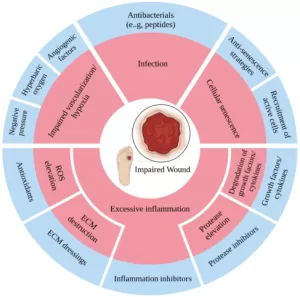
Post-operative wound care is a critical component of the healing process that directly impacts a patient’s recovery and long-term outcomes. Proper wound care not only minimizes the risk of infection but also promotes faster healing and reduces the likelihood of complications. Adhering to essential guidelines ensures that both healthcare providers and patients can effectively manage post-surgical wounds. This article outlines key principles for successful post-operative wound care and best practices to prevent infection and promote healing.
Key Principles for Successful Post-Operative Wound Care
Effective post-operative wound care begins with understanding the nature of the wound itself. Different surgical procedures may result in varying types of wounds, including incisions, lacerations, or abrasions. Each type requires specific care guidelines tailored to the unique characteristics of the wound, such as size, depth, and location. Understanding these factors helps healthcare providers develop a comprehensive plan that addresses the specific needs of the patient, ensuring that the wound receives appropriate attention throughout the healing process.
Another critical principle is the importance of cleanliness and sterility. Wounds are susceptible to contamination from bacteria, dirt, and other foreign substances. It is crucial for healthcare providers to maintain a sterile environment when examining and dressing wounds. This includes using sterile gloves, instruments, and dressings. Additionally, patients should be educated on the significance of hand hygiene and instructed to keep the wound clean and dry. Adopting a meticulous approach to cleanliness will significantly reduce the risk of wound infections.
Lastly, patient education plays a vital role in effective post-operative wound care. Healthcare providers must take the time to inform patients about their specific wound care instructions, including how to change dressings, recognize signs of infection, and the importance of follow-up appointments. Empowering patients with knowledge enhances their ability to manage their wound care effectively and fosters a proactive approach to their recovery. When patients understand the significance of adhering to care guidelines, they are more likely to participate actively in their healing process.
Best Practices to Prevent Infection and Promote Healing
To prevent infection, one of the most effective strategies is to maintain a moisture-balanced wound environment. Studies have shown that wounds heal faster in a moist environment compared to dry conditions. Healthcare providers should use appropriate dressings that provide moisture while also allowing for vapor exchange. Hydrocolloid and hydrogel dressings are often recommended for their ability to maintain a moist wound bed, thereby promoting cellular migration and speeding up the healing process. Furthermore, it is essential to change dressings regularly to reduce the risk of bacterial growth.
Incorporating proper nutrition into the recovery process is another critical practice for promoting healing and preventing infection. Adequate intake of protein, vitamins (particularly vitamin C and A), and minerals (such as zinc) plays a significant role in tissue repair and immune function. Healthcare providers should assess the nutritional status of their patients and, if necessary, recommend dietary adjustments or supplements to support the healing process. A well-nourished patient is less likely to experience complications such as delayed wound healing or infection.
Regular monitoring and assessment of the wound are essential to detect any early signs of infection or complications. Healthcare providers should conduct systematic evaluations during follow-up appointments, checking for indicators such as increased redness, swelling, drainage, or fever. Any changes in the wound’s appearance should be documented and addressed promptly to mitigate potential complications. Additionally, patients should be encouraged to report any concerning symptoms immediately. This proactive approach helps ensure timely interventions and supports optimal recovery outcomes.
In conclusion, effective post-operative wound care is paramount in ensuring successful patient recovery. By adhering to key principles such as understanding the wound type, maintaining cleanliness, and prioritizing patient education, healthcare providers can significantly improve healing outcomes. Moreover, implementing best practices to prevent infection, such as maintaining a moist wound environment, ensuring proper nutrition, and conducting regular assessments, will promote healing and reduce the risk of complications. By following these essential guidelines, both patients and healthcare providers can work collaboratively to achieve optimal recovery after surgery.